
Centrifugal Barrel Finishers
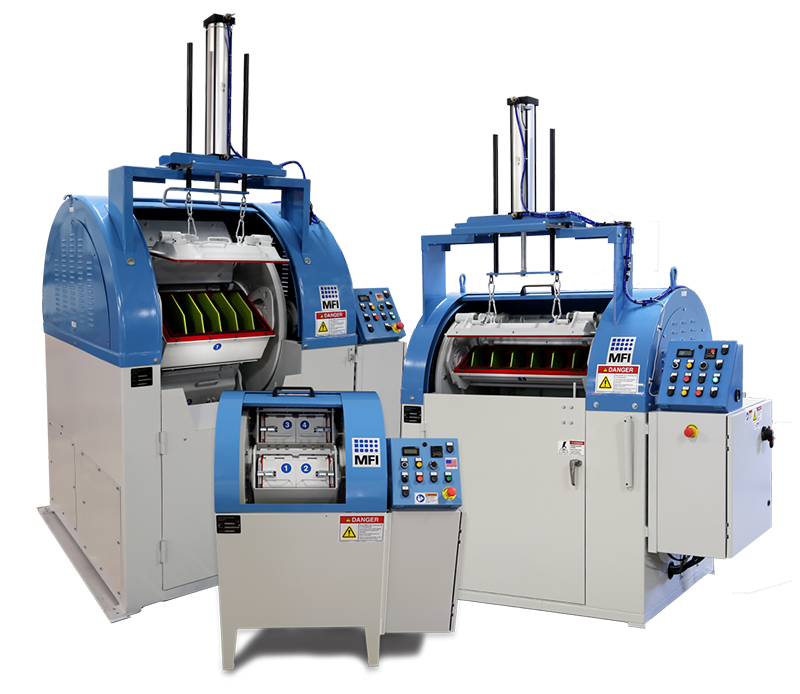
HZ-Series High Energy Centrifugal Barrel Finishing Machines
Mass Finishing’s HZ-Series is built for manufacturers who need to eliminate hand polishing, reduce finishing bottlenecks, and get consistent results at production speeds. These high-energy systems use a “Ferris wheel” motion with four chambers to generate powerful centrifugal force, making them a proven solution for centrifugal barrel finishing and centrifugal barrel tumbling across metal and non-metal materials.
From aerospace components to medical and dental parts, our customers use an HZ-Series centrifugal finishing machine to deburr, deflash, radius edges, and achieve refined surface finishes in a fraction of the time required by manual methods. What sets Mass Finishing apart isn’t just the equipment; it’s our hands-on process support, sample testing, and service that helps you dial in results faster and with confidence.
Benefits
- Reduce handwork and manual labor
- Short cycle times for faster turnaround and higher throughput
- Keep parts separated using barrel dividers to reduce part-on-part contact
- Quieter operation than many vibratory finishing systems
- Achieve isotropic, uniform finishes without directional sanding lines
- No tooling required (if the part fits the barrel, it’s a strong candidate)
Available HZ-Series Models
We offer ten stock sizes of HZ-Series centrifugal barrel finishing machines to match different part sizes, batch weights, and production volumes. Not sure which is best? Send a part sample or share your target finish and throughput goals—we’ll help you narrow it quickly.
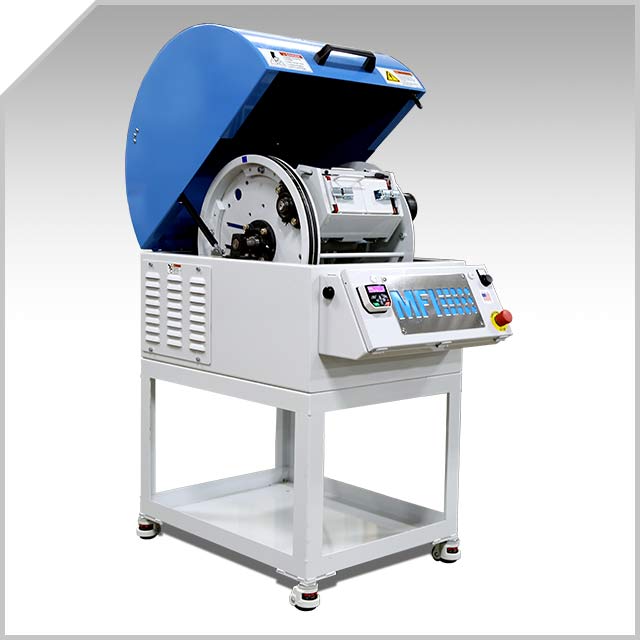
HZ-6
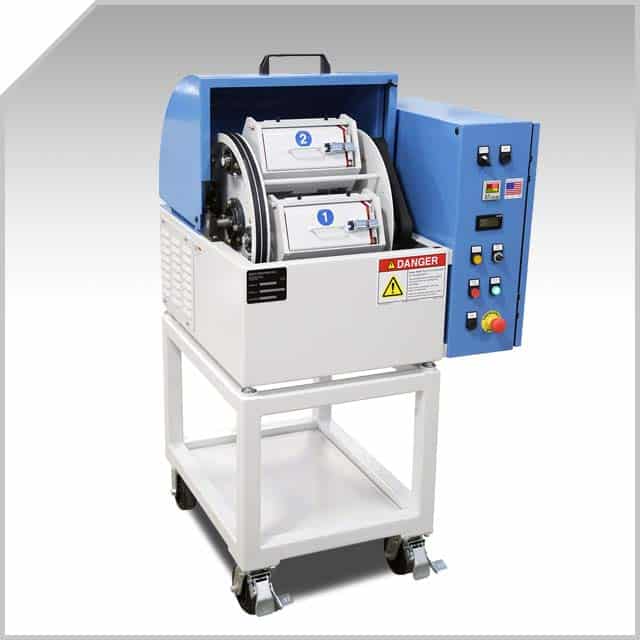
HZ-12
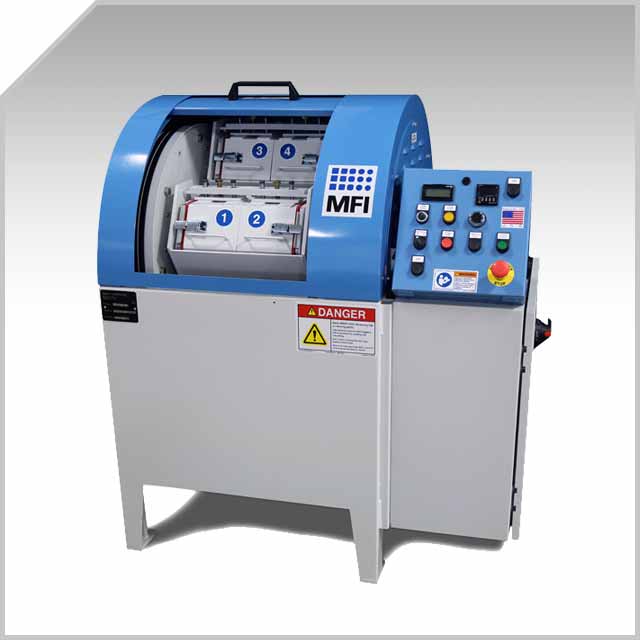
HZ-40
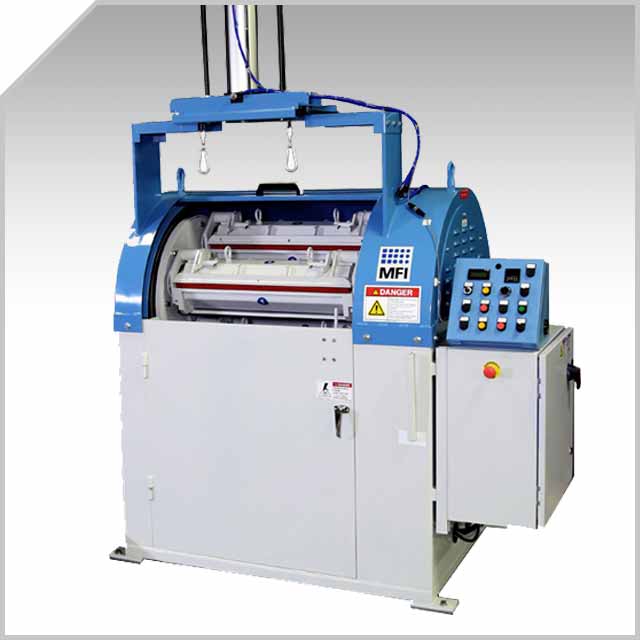
HZ-60
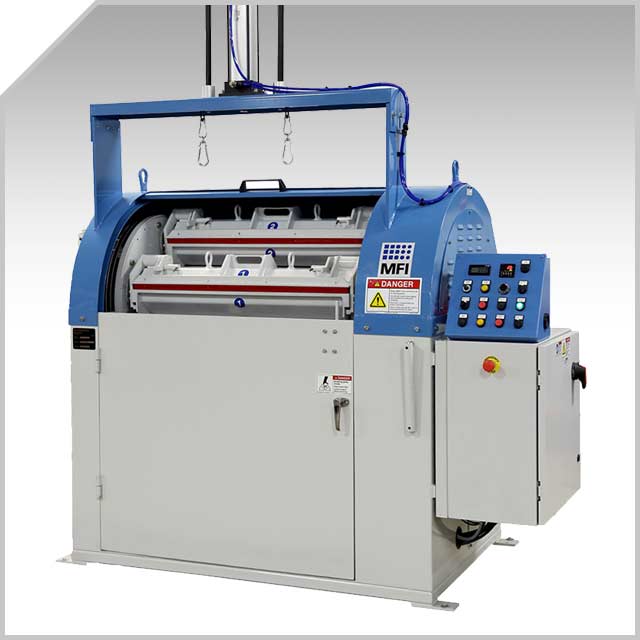
HZ-85
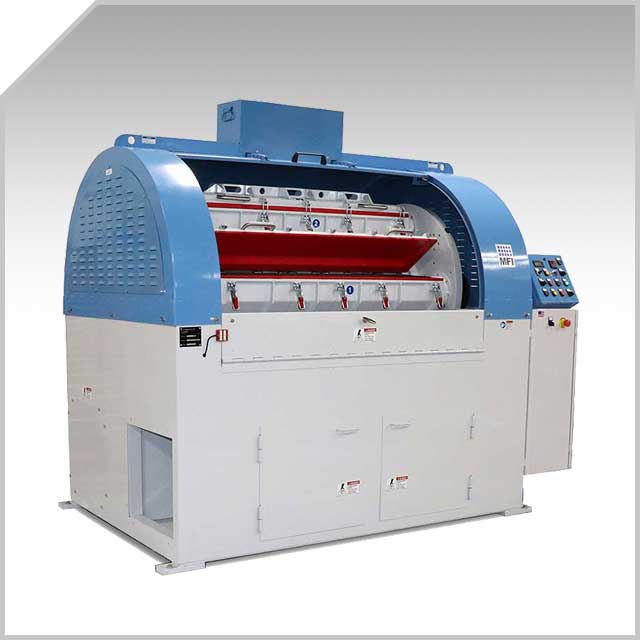
HZ-175
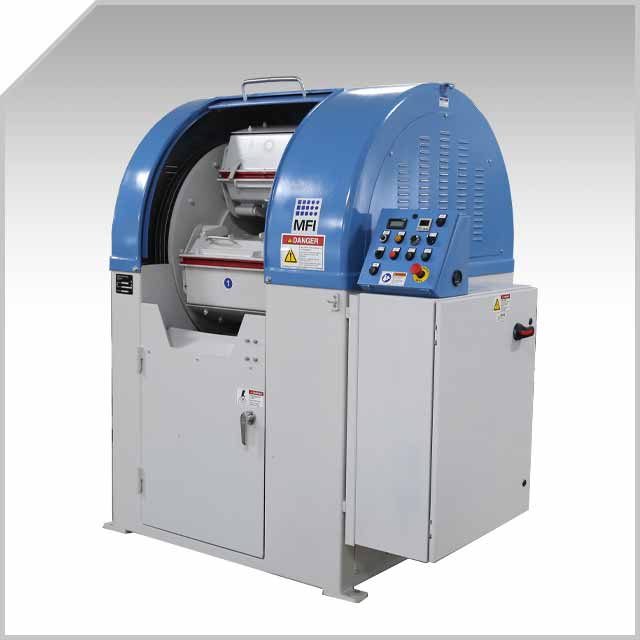
HZ-120
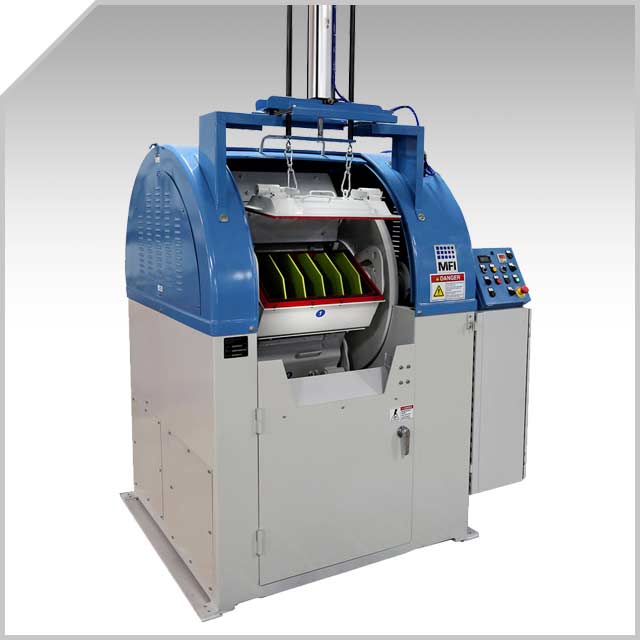
HZ-160
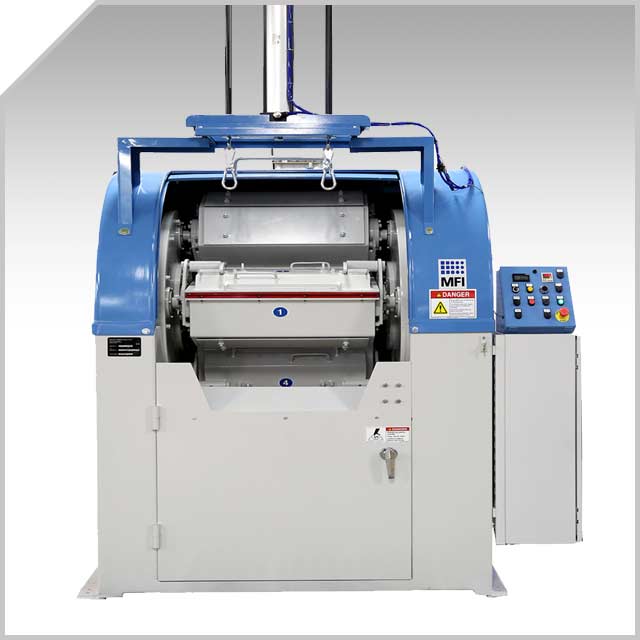
HZ-220
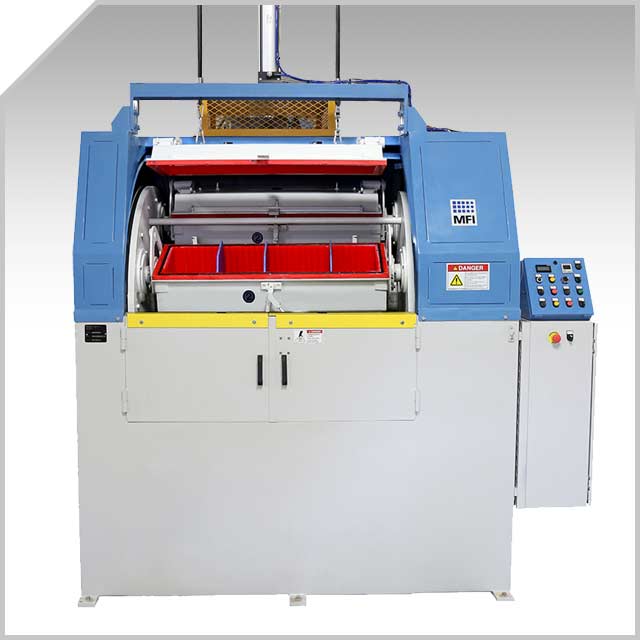
HZ-330
The Benefits of Centrifugal Barrel Finishing Machines
Reduce handwork & manual labor
Hand deburring and polishing is slow, expensive, and hard to scale. HZ-Series systems remove the handwork by applying consistent pressure and friction with media—helping you finish more parts per batch with repeatable results.
Easy to keep parts separated
A major advantage of centrifugal barrel tumbling is simple part separation. Dividers allow you to isolate workpieces, reduce part-on-part impingement, and protect tight-tolerance or cosmetic surfaces.
No tooling required
Unlike some drag finishing setups or robotic polishing, barrel finishing doesn’t require custom tooling. If the part fits and the process is appropriate, you can run quickly without expensive fixtures.
Quieter operation
Compared to many vibratory systems, centrifugal barrel finishing tends to run quieter—often making it easier to place near other equipment without the same noise concerns.
Achieve a mirror-like finish
HZ-Series systems are commonly used to create isotropic, uniform surface finishes—meaning the finish is consistent in all directions rather than showing directional sanding or polishing lines. (Actual results depend on material, media, and process.)
Short cycle times
In minutes, an HZ-Series centrifugal finishing machine can deliver finishing results that may otherwise take hours of manual labor. Many customers pursue HZ-Series specifically to remove finishing from the critical path and increase daily output.
Range of finishing capabilities
With variable frequency control, you can tune aggressiveness—running a lighter refinement or pushing into heavier deburring/radiusing depending on the part and media selection.
What is High-energy Centrifugal Barrel Finishing?
Centrifugal barrel finishing is a high-energy tumble finishing method that uses centrifugal force to apply pressure and friction far greater than gravity alone. HZ-Series machines can reach up to ~12G, accelerating material removal, smoothing, and edge refinement.
Centrifugal barrel finishing (often called barrel tumbling, tumblers, or “harperizers”) is used to:
- Remove burrs and sharp edges
- Deflash molded parts
- Refine surfaces and improve uniformity
- Polish to higher clarity/luster depending on material + media
Because the process is faster than many other methods, it often delivers shorter processing times and consistent results when matched correctly to the application.
How does Centrifugal Barrel Tumbling Work?
Centrifugal barrel finishing operates on the “Ferris wheel” principle, using a one-to-one ratio of barrel rotation to turret rotation. You load four barrels with a controlled mix of parts, media, water, and compound (typically to ~50–80% fill).
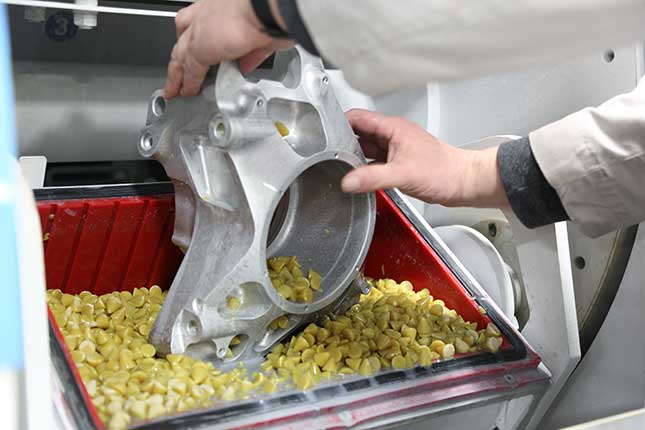
As the system rotates, the barrels travel around the turret in planetary motion. This creates a sliding action inside each barrel that generates high friction and pressure between media and parts. Because contact occurs in randomized directions, the process can produce a uniform, isotropic finish across the full part surface.
Animation from DualSPHysics
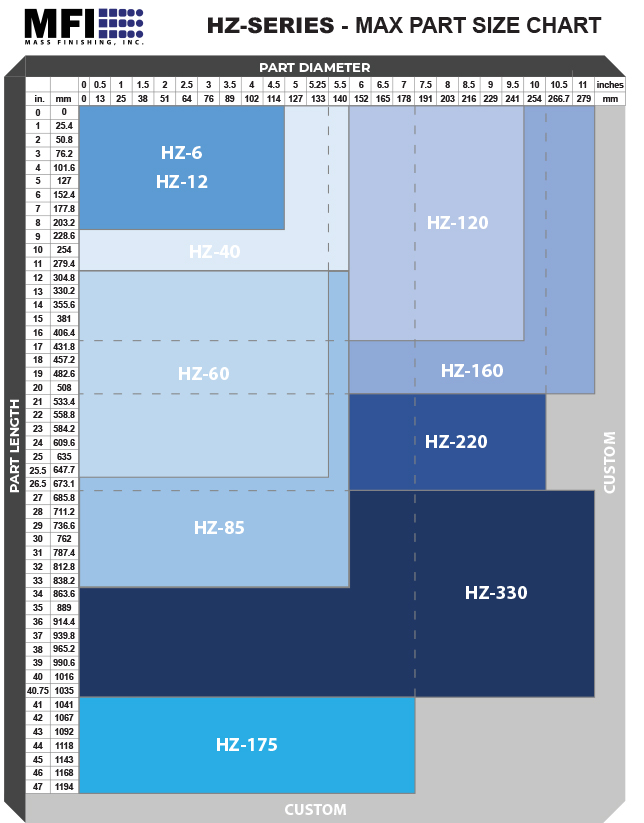
HZ-Series: Max Part Size Chart
You can always reach out to our team if you need assistance determining what model of centrifugal barrel tumbler is right for your operation or production volume.
History of Centrifugal Barrel Tumbling or “Harperizing”
Harperizing entered manufacturing in the 1960s through a company named Harper and became widely known, especially in automotive, for removing excess material faster than traditional methods. Since the 1980s, designs evolved globally with improvements to ergonomics and safety. Mass Finishing’s centrifugal barrel tumblers are based on a proven four-barrel design that rotates at a one-to-one ratio around a turret.
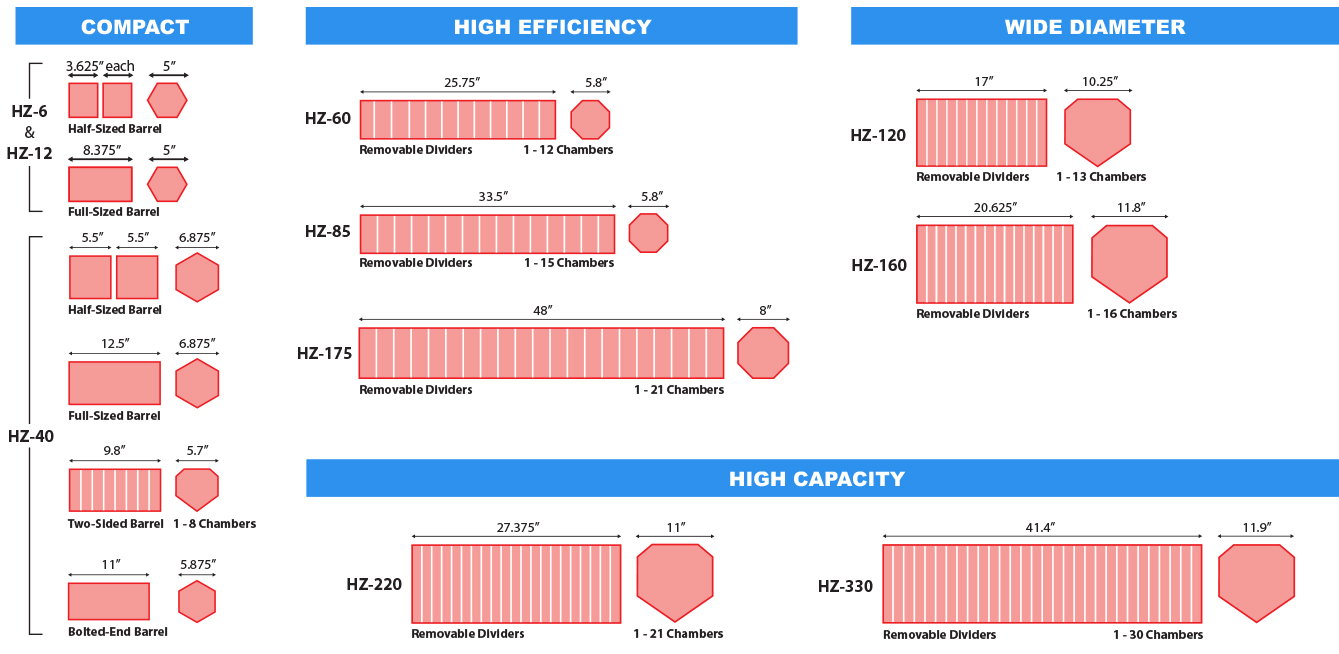
HZ-Series: Barrel Comparisons
Frequently Asked QuestionsQ: How do I know if a centrifugal barrel finishing machine will work for my part?A: The fastest way to confirm fit is sample testing. Results depend on part size, geometry, material, burr type, and the media/compound recipe. If you send parts, we’ll validate whether centrifugal barrel finishing is a good match and share recommended process parameters. Q: How do I choose the right HZ-Series model?A: Model selection is usually driven by max part size, batch weight, desired cycle time, and production volume. If you share your part dimensions and throughput goals (or send samples), we’ll recommend the right stock size and configuration. Q: Can centrifugal barrel tumbling eliminate hand polishing?A: Often, yes—especially when the current bottleneck is inconsistent, labor-heavy finishing. Many customers use HZ-Series to reduce or remove manual steps and make finishing more predictable. The exact reduction depends on your starting condition and the final finish requirements. Q: Will parts get damaged from part-on-part contact?A: They can if the process isn’t set up correctly. That’s why barrel dividers, media selection, and fill ratio matter. One advantage of centrifugal barrel finishing is the ability to separate parts into compartments to reduce impingement and protect cosmetic or tight-tolerance features. Q: How much does a centrifugal finishing machine cost?A: Pricing varies by model size and configuration, and the right fit depends on your production needs. We can provide budget guidance after a quick application review—and we often pair that with sample testing so you’re evaluating real results, not assumptions. Q: What kind of support do you provide after the sale?A: Mass Finishing is built around being a partner, not just a machine supplier. We help with process development (media/compound recipes, cycle targets), training, and ongoing service so your finishing results stay consistent as parts or volumes change. |
Need Help Determining Your ROI?
Budget matters—especially when the goal is to reduce handwork and remove finishing bottlenecks. Along with sample processing, we can provide an ROI analysis based on your labor time, throughput goals, and current finishing costs. If you’re sending samples to our lab, ask for a cost analysis alongside your confidential sample test report.