
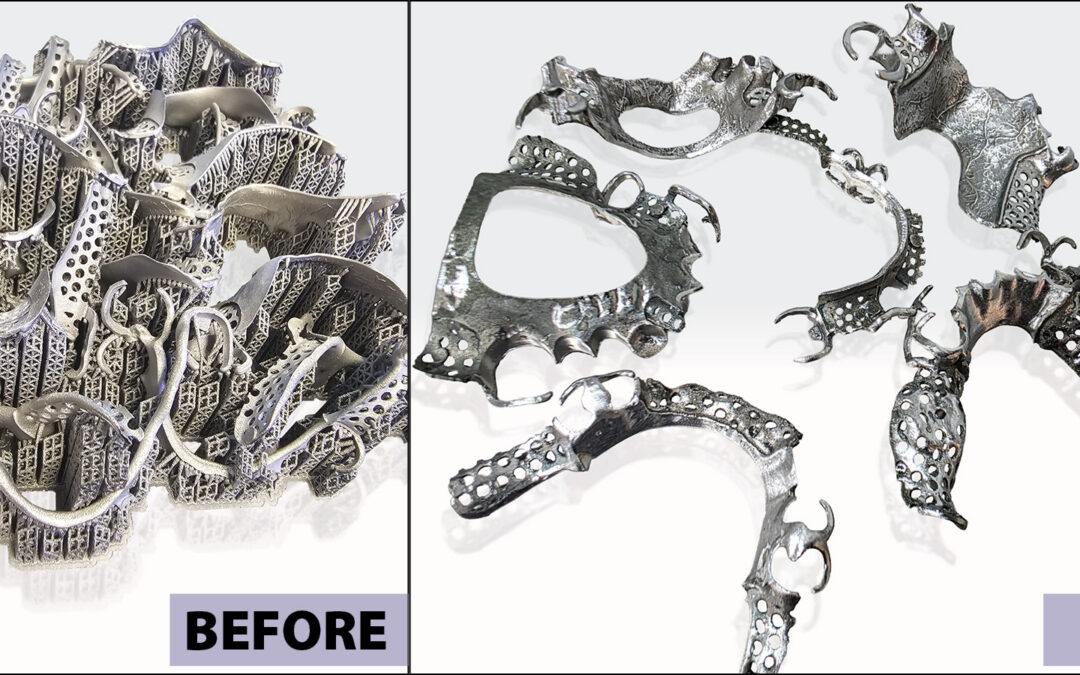
Customer: GPS Digital RPD
Solution: HZ-12 Centrifugal Barrel Finishing System
Industry: Dental Manufacturing
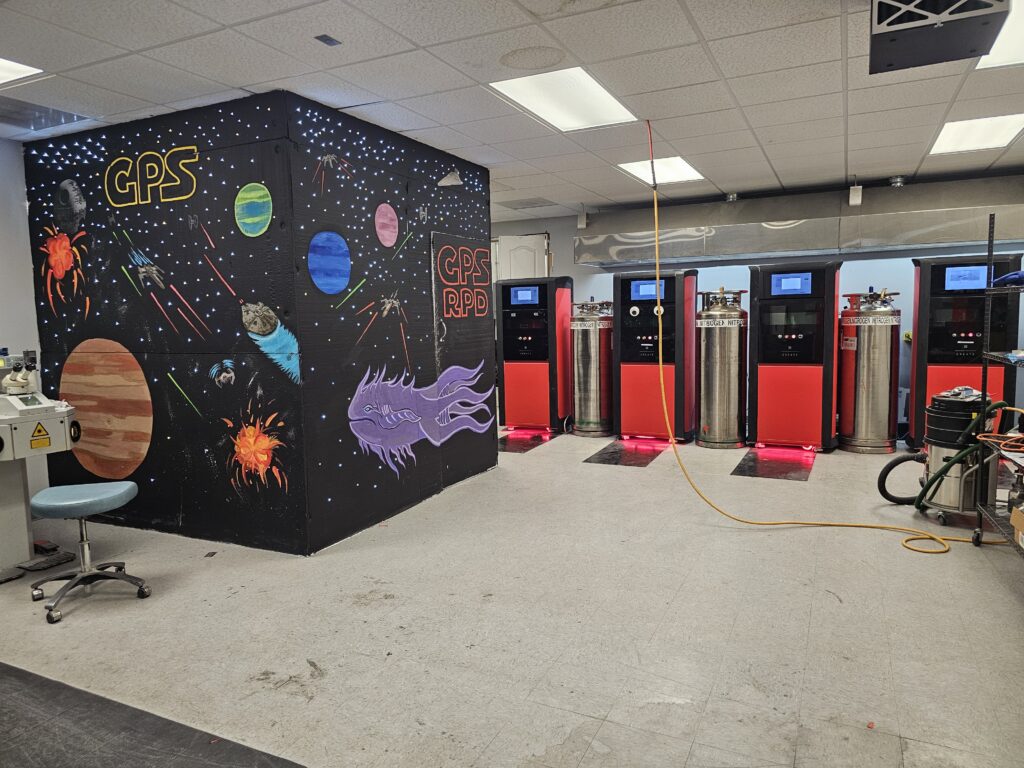
GPS Digital RPD’s Challenge:
GPS Digital RPD produces 100–120 removable partial denture (RPD) frameworks per day by leveraging selective laser melting (SLM) with a team of just nine employees. But as production scaled, finishing became the limiting factor. Dental frameworks require exceptional surface quality without compromising geometry or fit. GPS Digital’s existing finishing process, while effective, introduced challenges:
- Long cycle times slowed overall throughput
- High consumable costs increased cost per part
- Heavy reliance on skilled labor created operational risk
- Finishing threatened to bottleneck gains achieved through additive manufacturing
To continue growing, GPS Digital needed a way to streamline finishing without sacrificing quality.
Our Solution:
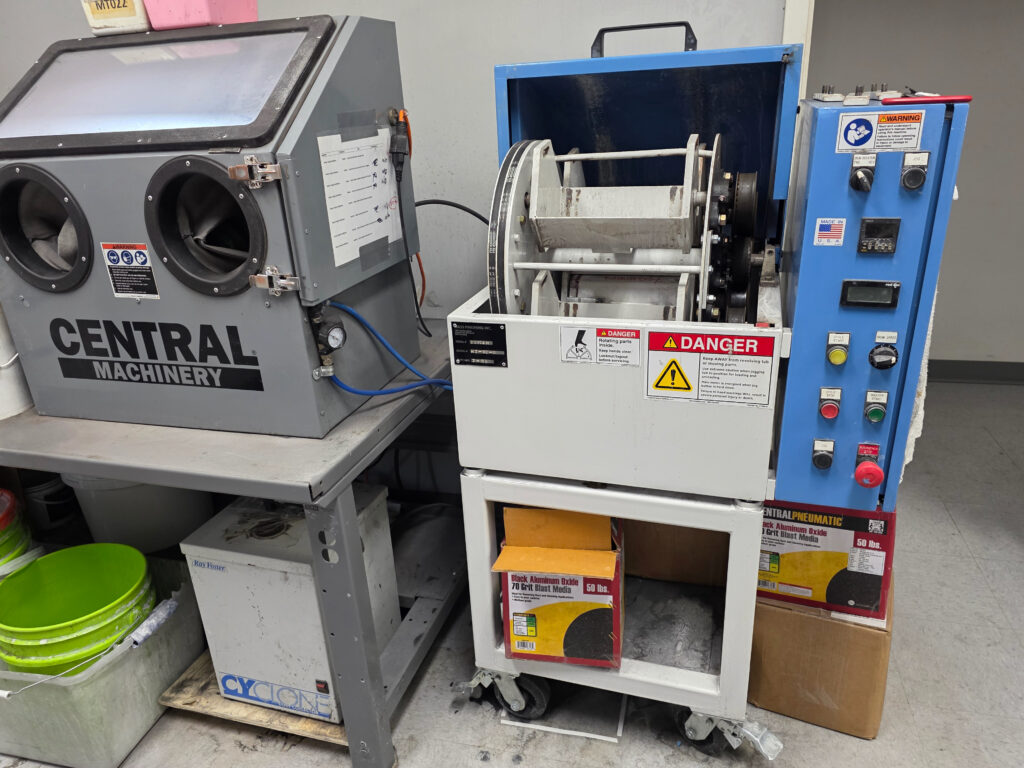
GPS Digital partnered with Mass Finishing Inc. (MFI) to integrate the HZ-12 Centrifugal Barrel Finishing Machine into its workflow. Rather than replacing its existing finishing equipment, the HZ-12 was introduced as a pre-finishing step.
Using controlled mechanical action and abrasive media, the HZ-12 removes surface irregularities and prepares parts for final finishing. This reduced the workload on downstream processes. This simple addition allowed GPS Digital RPD to optimize its entire finishing operation without overhauling its production line.
The Results:
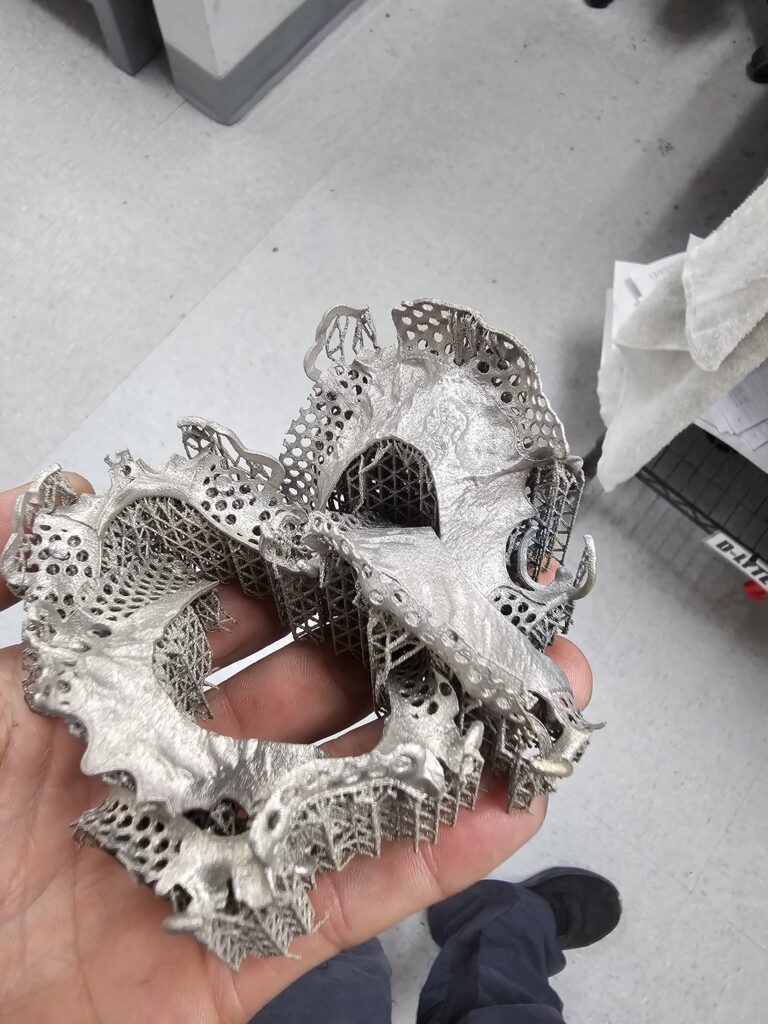
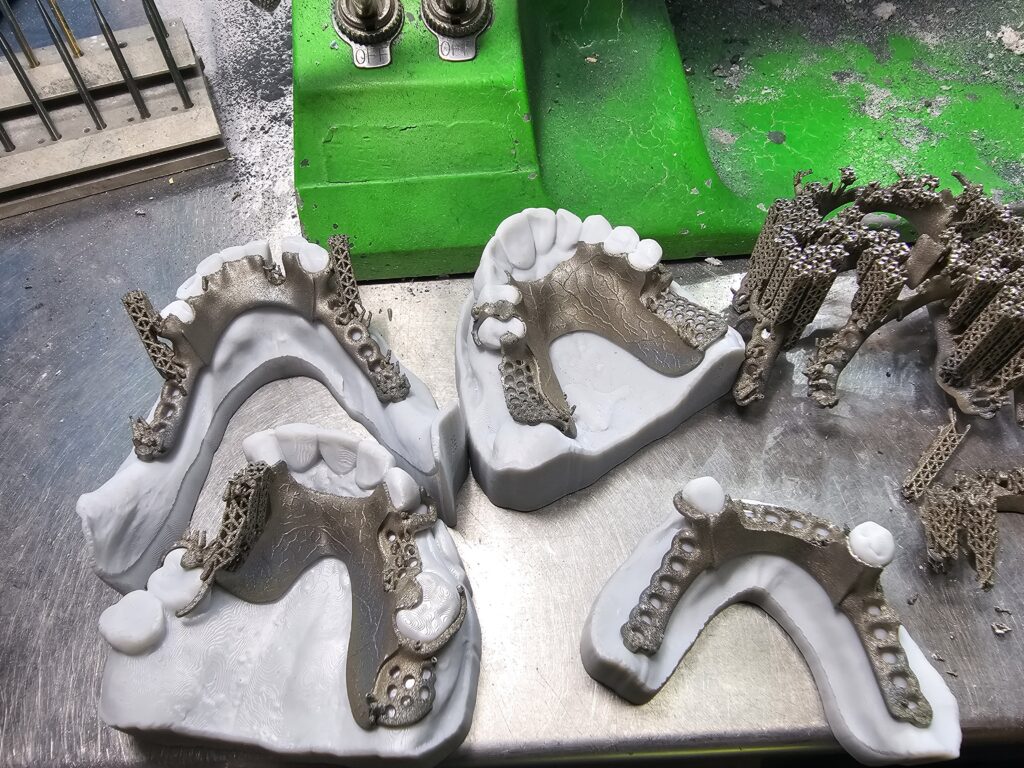
The impact was immediate and measurable:
Reduced Finishing Time
By offloading initial surface preparation to the HZ-12, GPS Digital RPD reduced finishing cycle times by 20–30 minutes per batch, accelerating overall production.
Lower Consumable Costs
Unlike traditional systems that require full media replacement, the HZ-12 uses media that wears gradually and can be replenished incrementally. This reduced media consumption and extended the life of existing finishing resources and lowering overall cost per part.
Improved Workflow Efficiency
With a more balanced process, finishing is no longer a bottleneck. The operation now supports higher production volumes without delays.
Reduced Labor Dependence
The automated pre-finishing process minimized the need for skilled manual finishing. Technicians can now focus on inspection and quality control rather than repetitive tasks.
Ready to Optimize Your Finishing Process?
MFI works with manufacturers to develop the right finishing approach for their specific parts, materials, and production goals. By sending us sample parts, we can eliminate trial and error and accelerate results. Send us your sample parts to get started!